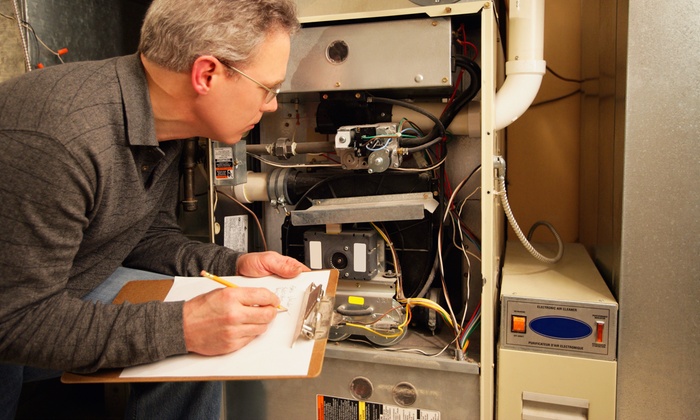
The two most popular means to heat up a residence are utilizing a home furnace or a central heating boiler. Each system has its very own benefits and drawbacks, in addition to expenses connected with installment as well as upkeep.
Let's contrast the main differences between a central heating boiler vs furnace. Discover which of these 2 heating systems supplies the greatest efficiency, energy cost savings and also the majority of comfort.
What is the Key Difference?
- Home Heating Furnace = Forced Hot Air + Ducts.
- Hot Water Central Heating Boiler = Compelled Warm Water + Baseboards/ Radiators.
A heating system uses air to transfer warm throughout your residence, whereas a central heating boiler utilizes water. This is the biggest difference in between these systems.
When it comes to comfort, boiler warmth is a lot more equally dispersed throughout your home. Nevertheless, heating system warmth can be incorporated with central air (no need to pay added for duct).
How does a furnace work?
Required air heating includes a furnace as well as a system of ducts to circulate the cozy air. The awesome air in the room is drawn into the ductwork, which supplies it to the heater. Here, the air is filteringed system, warmed, and afterwards circulates back into the room via a different air duct system.
Heating systems are available in three different layouts: "upflow," "downflow" as well as "straight" designs. These can fit different kinds of established requirements, such as basement, attic room or one more restricted room setup.
A forced-air system can be incorporated with a humidifier and an air filter, to improve air top quality. This can be specifically vital if somebody in your household has bronchial asthma or allergies.
A furnace uses electrical energy, gas or home heating oil for gas. Gas heating systems are most common, specifically in areas with really chilly winter seasons.
Exactly how does a boiler work?
Utilizing water for home heating is called a radiator or hydronic heater. It contains a warm water central heating boiler, baseboard, circulator pump, system of pipes as well as radiators that are dispersed throughout various rooms of the house.
A boiler heats up the water, and after that either a circulator pump or area valves distribute it through a system of pipelines into radiators, which lie throughout your home. As the hot water passes, it produces warm. As soon as the water cools, it distributes back to the central heating boiler to be reheated.
Central heating boilers usually make use of gas, lp or oil for gas.
In the equally well shielded house, oil will normally set you back 40-75% more than natural gas, even with cost fluctuations, over a period of 5+ years!
For that reason, if you have a selection, we recommend to always go with a radiant heat + gas boiler over hot air furnace.
Besides pure operating cost variables, the warm air from radiators is moist, like that from ducts, and also does hvac blog not include dirt/ irritants/ microorganisms/ etc, that may as well as does gather in air ducts, in your cellar, and on heater air filters!
Which supplies one of the most comfort?
When it pertains to home heating, one of the most crucial point we expect is to have dependable warmth that is evenly dispersed throughout the house. This is specifically true in colder climates, where the worst problem of every home owner is to get up in freezing cold.
Maintaining regular room temperature level is particularly essential for families with older individuals or little kids, due to the fact that both are very sensitive to hot/cold changes.
Following is a contrast in between boilers as well as furnaces concerning the convenience and comfort you can expect.
- Warmth Circulation: Central heating boilers disperse heat evenly throughout your home. Air circulation for furnaces changes relying on area of ducts.
- Temperature consistency: Boilers give even temperature levels without any cool areas. With heating systems, there might be cool areas in various parts of your house.
- Sound Degree: Central heating boilers are silent. Furnace noises differs relying on the high quality of the furnace, but is never totally silent.
- Moisture: Central heating boilers provide normal moisture. Air can become very dry and also a humidifier might be needed with a heating system.
- Air Quality: Air is clean with boilers. Heating system air may contain dirt and various other irritants. To preserve great air top quality, air ducts require to be frequently cleansed and also filters require to be regularly changed.
- Air Drafts: None with boilers while furnace offer frequent air drafts.
- Warm Zones: Boilers make it simple to develop many warmth areas throughout your home to attain even heating. Hard to establish zoning with heaters. Optimum of three various areas is possible however needs intricate ductwork installment.
- Radiant Flooring Heating: Can be easily mounted for boilers. Not possible to install with furnaces.
- Safety: Boilers are totally safe. With furnaces, feasible for youngsters to stick hands or objects inside the air vent.
- Warmth Loss: No heat loss with boilers; up to 35% with furnaces.
Installment Price Distinctions
Lots of people go with a house heating system because it is dramatically cheaper than a boiler. The price of the tool itself as well as setup are 2-3 times more pricey for a boiler than for a heater of similar size and also effectiveness.
The ordinary cost for a gas heater is $600 to $1,000, while gas central heating boiler costs for a lot of designs start over $1,500.
Likewise, an oil heating system runs between $1,000 and $1,600, where an oil central heating boiler expenses in between $2,000 as well as $5,000. Lots of electrical heating systems expense under $500, but they are not extremely reliable, so the majority of people do not utilize them.
On average, it is also much cheaper to mount a furnace vs a boiler. Common gas furnace substitute cost has to do with $1,200 to $2,500. Replacing an oil heating system is a lot extra expensive, and runs in the variety of $4,000 to $5,500.
Still, mounting a boiler costs more. A new gas boiler is $3,500 to $8,000, while an oil central heating boiler costs $3,000 to $5,000.
Note: these are general cost quotes for uncomplicated installs that don't call for any extra facility job.
Price of Heat and Power Performance
When it pertains to power performance, it turns out that both systems are about the same. Numerous brand-new designs of heating systems https://furnace-repair-richmond-hill.ca as well as boilers flaunt over 95% energy performance.
However, it still sets you back even more to warmth with a furnace as well as is less efficient, especially in areas with extremely cool temperatures. This occurs because a lot of the warm that the heating system generates leaves via the air ducts system and obtains lost. This occurs most if the air ducts are located in a partly conditioned or unconditioned area, such as an attic room, basement or a garage. The warm loss can be as high as 35%, which can dramatically enhance your heating expenses.
Hydronic systems that utilize a warm water boiler don't have this issue.
However, if you have an old system, regardless of whether its a central heating boiler or a furnace, your energy efficiency will be very low, just about 50-65%. This indicates that you are wasting both gas as well as cash to warm your home. If this holds true, you need to think about retrofitting your existing system to make it more energy efficient.
Durability and Maintenance
When it involves durability, both a boiler and also a furnace last concerning 15-20 years. With regular upkeep, both devices can work well even longer.
Nevertheless, a heater requires a lot more maintenance. It is much more prone to damaging and also requiring a lot more constant professional repair work solutions than a central heating boiler. With a heater, you require to manage routine filter replacements, anywhere from 1-4 months, depending on the high quality of the tool and also filters. Ductwork might also call for cleansing.
For ideal performance, a central heating boiler ought to get an annual inspection. If it works appropriately, there is virtually no upkeep entailed.
Because a boiler does not have numerous moving, mechanical parts, the important point that can fail with it is the circulator pump will break. This occurs rarely and can be quickly fixed. A boiler repair sets you back $300 to $500.
Comparative, a heating system has a blower fan and also a motor to press the air through, which can quit working. Since these are mechanical parts that are frequently moving, they are a lot more vulnerable to damage. An average fixing work for a heater is similar to a central heating boiler, likewise about $300 to $500. It costs about $250 to replace a heating system thermostat.
Boiler benefits and drawbacks
Here are the main advantages that a boiler uses:
-- Makes use of much less gas to warm your home. This results in greater cost savings on power expenses along with improved performance.
-- More enjoyable, equally dispersed heat
-- Extremely silent procedure. You can not hear when the boiler is functioning.
Downsides
While a hydronic heater supplies a whole lot even more comfort and also comfort, there are two significant disadvantages, which protect against the majority of people from switching over to it or installing it to begin with.
1. Extremely high price, especially if you wish to make the button from a current forced air system to hydronic. For most house owners spending hundreds of bucks is not worth it, if their heater is functioning well and they have an excellent ductwork system currently in place.
2. No cooling in the summer. This indicates that a different central air conditioning system would certainly need to be set up, which can be very pricey. The price goes to the very least $10,000-15,000+, if the house does not have an air duct system in position.
Nonetheless, people that can manage it produce a suitable setup, that includes both systems. In this manner they enjoy all the advantages: enjoy central air cooling in the summer and hot water heat in the winter months.
One more small disadvantage to remember is that a central heating boiler takes longer than a heating system to get used to thermostat changes. This means it will take you longer to feel a temperature level change in the space after you have transformed the heat up or down.
Heater pros and cons
The biggest benefit of a heating system is its reasonably inexpensive contrasted to installing a central heating boiler system. For the majority of people this can be the choosing element when choosing a furnace. Normally you can save as high as 50-60% off the price of heater contrasted to a central heating boiler.
Installment is additionally much quicker as well as less complicated. It can take a couple of hours to mount a furnace, compared to a couple of days to install a central heating boiler. This time difference additionally adds to lowered labor prices to installing a furnace.
An additional pro is that there is no danger of having a hot water leakage, as holds true with a boiler. These leaks can cause thousands of dollars in damages and also can be challenging to fix. With a furnace, you will certainly not have to bother with this in all.
If you live in a cool environment, you do not risk of having a furnace freeze if the power goes out. This trouble exists with a central heating boiler.
To sum up the cons that we have actually currently gone over, heating system heating poses the complying with concerns:
-- Less energy reliable
-- Poor air high quality and possible allergic reactions
-- More noisy than a boiler
-- Irregular warm. You may find that some rooms in your house are warmer than others.